By John Zabasky, California, USA
What the Card Does Not Tell You
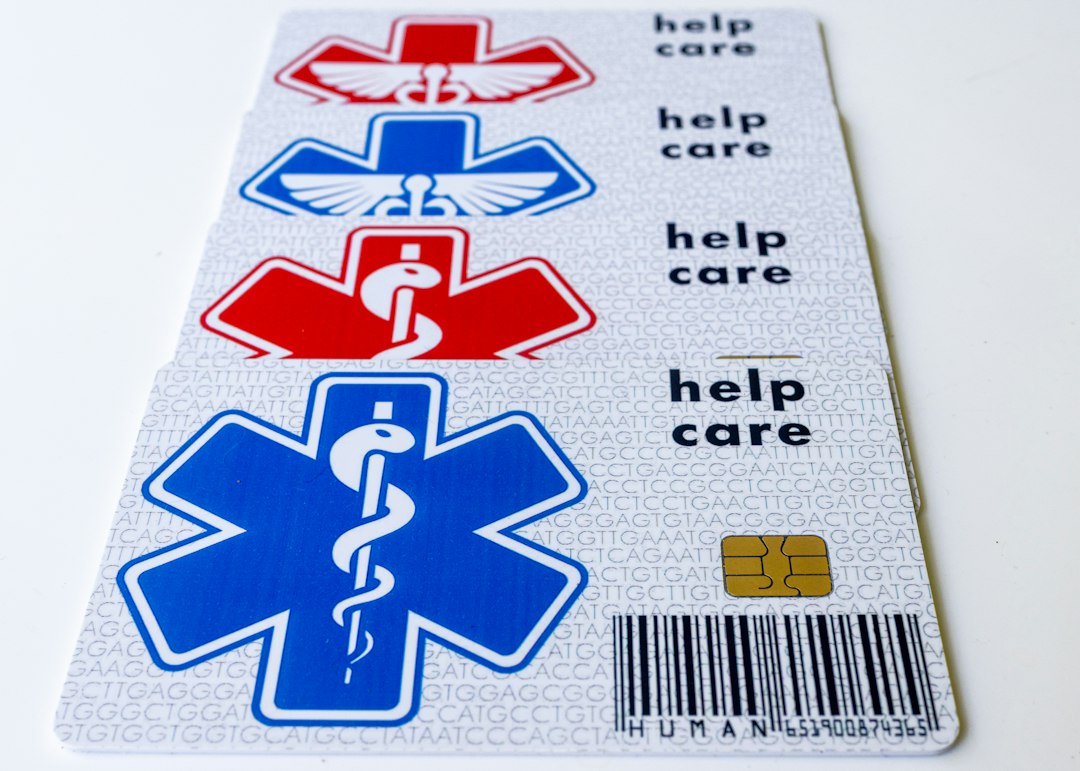
A health insurance card looks like proof that someone is covered. It is not proof that someone can get care. I have spent years building a no-cost medical plan for part-time and seasonal workers, and the lesson that keeps repeating itself is simple: coverage and access are two different things, and most plans only solve for the first one.
A worker can be enrolled, carry a card, and still skip the doctor because the nearest in-network clinic is forty minutes away, or because the appointment system only takes calls during work hours, or because the paperwork asks for information nobody explained how to fill out. None of that shows up in an enrollment report. All of it shows up in whether people actually get seen.
Access Is the Real Benefit
I think the industry spends too much time talking about plan design and not enough time talking about what happens after someone tries to use it. A plan with a low premium and a high barrier to entry is not a good deal. It is a deferred cost, because untreated problems get more expensive, not less, the longer they wait.
Same-Day Care Matters More Than a Low Premium
For hourly and seasonal workers, timing is often the whole problem. A missed shift to sit in a waiting room can cost more than a co-pay. If a plan cannot get someone seen quickly, close to where they live or work, it is asking them to choose between their paycheck and their health. Most people choose the paycheck. That is not a failure of willpower. It is a rational response to a plan that was not built around their schedule.
The Paperwork Test
I use a simple test when I look at any plan: can someone with no insurance background enroll and use it without calling a help line three times? If the answer is no, the plan has a design problem, not a communication problem. Clear language and a short path from signup to a scheduled visit matter as much as the benefit itself. A plan nobody can navigate is a plan nobody uses, no matter how generous it looks on paper.
Building Plans Around the Worker, Not the Enrollment Number
Part of why I structured the plan I run as a no-cost model, subsidized by a non-profit, was to remove the first barrier entirely: cost at the point of care. But removing cost only solves part of the problem. The rest is about proximity, speed, and simplicity. A worker needs a plan that fits into a Tuesday, not a plan that requires a day off to understand.
That is also why the company I run donates over $100,000,000 a year in healthcare services and premiums to lower income families. The number matters less to me than what it represents: people who would otherwise skip care are getting it, because the plan was built to be used, not just carried.
What I Look for Before I Call a Plan Good
When I evaluate any benefit, I ask three things. Can someone get an appointment without losing a day of pay. Can they understand what the plan covers without reading a thirty-page document. Can they afford the visit itself, not just the premium. If a plan answers yes to all three, it is doing its job. If it only answers yes to the first question on a sales brochure, it is not.
Employers often default to whatever plan is easiest to administer, because enrollment is the number everyone tracks. I understand the instinct. But the easiest plan to administer and the easiest plan to use are rarely the same plan. The gap between them is where workers fall through, quietly, without anyone noticing until turnover or absenteeism shows up somewhere else on the books.
The Standard I Hold Myself To
I keep coming back to the same question: if I handed this plan to a worker with no time, no insurance knowledge, and no extra money, would they actually use it. Everything else, the pricing, the network size, the marketing, is secondary to that answer. A card in someone’s wallet is not the finish line. It is just the starting point, and the real work is making sure they can walk through the door it is supposed to open.